Press Release
U.S. Africa Institute Engages Higher Education Institutions to Empower
Immigrant, Refugee, and International Students
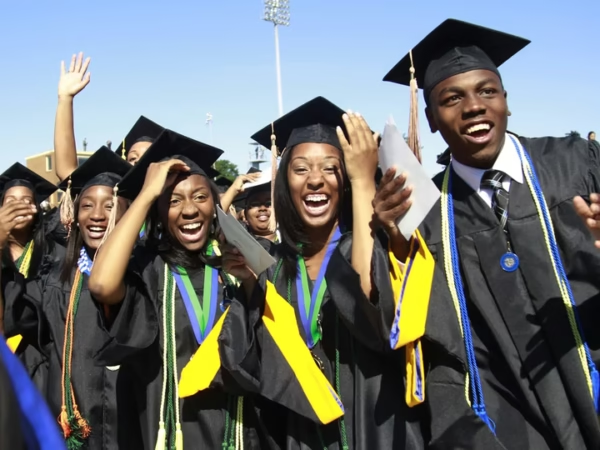
Washington, D.C. — The U.S.-Africa Institute has intensified its national efforts to support immigrant, refugee, and international students by partnering with higher education institutions across the country. Through targeted outreach, training, and policy guidance, the organization is helping colleges create stronger, more inclusive systems that meet the needs of globally diverse student populations.
Over the past year, the U.S.-Africa Institute has successfully mobilized community colleges, Historically Black Colleges and Universities (HBCUs), and regional universities to strengthen institutional policies, support services, and strategic plans aimed at improving student belonging, retention, and long-term success.
“Our goal is to ensure that every institution—large or small—has the tools and knowledge to serve immigrant, refugee, and international students with excellence,” said the Institute’s leadership. “These students bring enormous global value, but too often face systemic barriers. We are changing that.”
Through capacity-building workshops, policy reviews, campus climate assessments, and leadership training, the Institute is helping schools adopt:
Clear and inclusive policies for supporting immigrant and refugee learners
Strengthened international student support systems
Culturally responsive training for faculty and staff
Strategic frameworks that embed global equity into institutional planning
Resource networks that connect campuses with community partners
Institutions that have participated in U.S.-Africa Institute programming report increased campus awareness, improved staff preparedness, and stronger institutional commitment to meeting the needs of globally diverse students.
The Institute plans to expand its network in 2026, bringing additional community colleges, HBCUs, and minority-serving institutions into its national initiative for educational equity and global engagement.
Los Angeles City Council Recognized U.S. Africa Institute during Black History Month
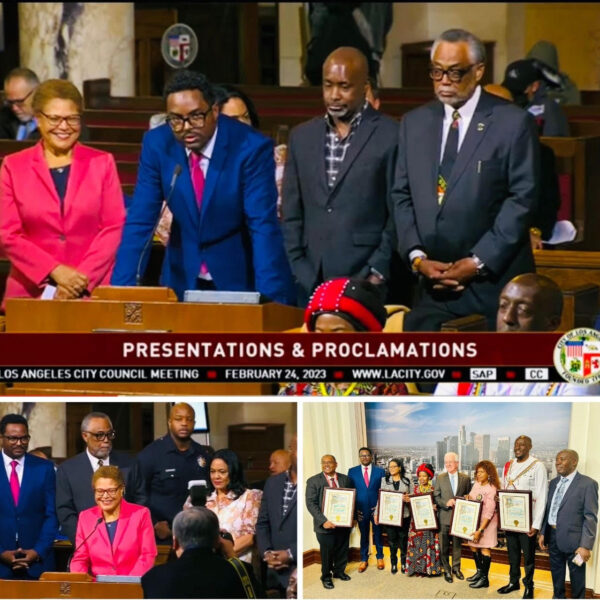
U.S. Africa Institute (USAI) played a pivotal role in hosting the inaugural African diplomatic corps in Los Angeles in partnership with the City of Los Angeles to celebrate Black History Month. The USAI has been at the forefront of promoting diplomatic relations between the United States and Africa, and this event was another testament to their commitment to fostering partnerships between the two regions.
The event saw African and Caribbean Ambassador, diplomats, and honorary Consul Generals being recognized with certificates of appreciation from Los Angeles City Council President Pro Tempore Curren D. Price. The USAI was instrumental in organizing the event, which brought together a diverse group of African diplomats and community leaders from across the United States.
The event was an opportunity for African diplomats to engage with the local community and to share their experiences and perspectives on various issues affecting Africa and the United States. It also provided an avenue for the African diplomatic corps to network and exchange ideas with one another, creating a platform for collaboration and cooperation.
Dr. Tadios Belay, President and CEO of the USAI, welcomed the diplomatic corps alongside Mayor Karen Bass and Los Angeles City Council members. Dr. Belay expressed his delight at the opportunity to host the event, stating that it was a significant step towards promoting stronger ties between Africa and the United States.
Mayor Bass emphasized the importance of collaboration between Africa and the United States, particularly in light of the challenges posed by the COVID-19 pandemic. She noted that the African diplomatic corps had a critical role to play in promoting trade, investment, and cultural exchange between the two regions.
The event was an excellent showcase of the USAI’s commitment to promoting diplomatic relations between the United States and Africa. It highlighted the critical role that African diplomats play in fostering collaboration and cooperation between the United States and Africa and underscored the importance of building strong relationships between nations.
Overall, the event was a resounding success and a testament to the USAI’s dedication to promoting stronger ties between Africa and the United States through public diplomacy. The recognition received by the African diplomatic corps was a fitting tribute to their invaluable contribution to promoting partnerships and collaborations between nations. The USAI can be proud of the role it played in organizing the event and fostering stronger diplomatic relations between the United States and Africa.
The U.S. Africa Institute is a local to continental Africa project that aims to provide a platform for dialogue and collaboration between individuals, organizations, and institutions in both the United States and Africa and seeks to bring together communities with the goal of fostering greater understanding, appreciation, and collaboration. Through its initiatives and programs, the Institute hopes to empower individuals and communities, promote cultural exchange, and strengthen academic partnerships between the United States and African countries. By doing so, the U.S. Africa Institute hopes to promote cultural ties, academic partnerships, and public diplomacy between Americans and African
U.S. Africa Institute hosted Mandela Washington Fellows in Los Angeles
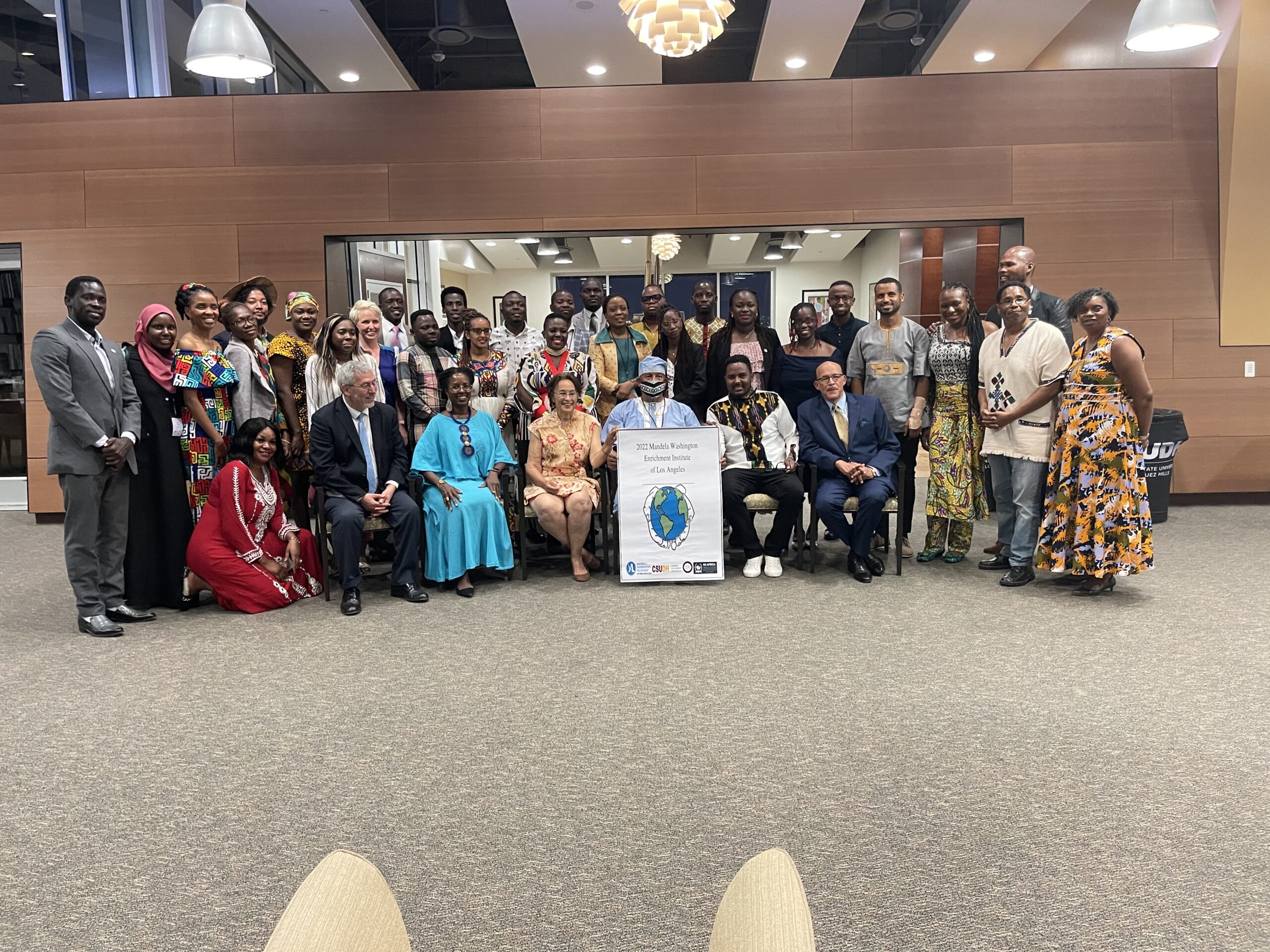
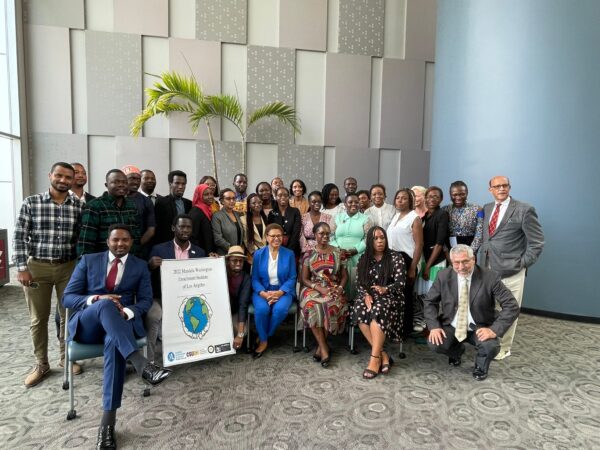
The U.S. Africa Institute, in partnership with Charles Drew University and California State University – Dominguez Hills, recently hosted the Mandela Washington Fellows for the first time in Los Angeles. The Fellows had the unique opportunity to explore the city, network with community leaders and scholars, and participate in cultural and academic events.
The Mandela Washington Fellowship is a program created by the United States government to provide young African leaders with the opportunity to study at American universities, engage in leadership training, and participate in networking and cultural exchange programs. This program aims to empower young African leaders with the skills and knowledge they need to promote positive change in their communities and countries.
The partnership between the U.S. Africa Institute, Charles Drew University, and California State University – Dominguez Hills provided a unique opportunity for the Fellows to engage with the Los Angeles community and learn about the city’s rich cultural and academic offerings.
During their stay in Los Angeles, the Fellows visited academic and cultural places, such as museums and galleries, and attended lectures and workshops on a variety of topics, including entrepreneurship, leadership, and innovation. They also had the chance to network with local community leaders and scholars, and community members hosted dinners in their honor.
One of the highlights of the Fellows’ visit was being recognized by the Los Angeles City Council at the LA City Hall Chamber. This recognition served as a testament to the impact and importance of the Mandela Washington Fellowship program and the work being done by the U.S. Africa Institute, Charles Drew University, and California State University – Dominguez Hills in promoting cultural exchange and leadership development.
The partnership between the U.S. Africa Institute, Charles Drew University, and California State University – Dominguez Hills not only provided the Fellows with a unique cultural and academic experience but also helped to promote greater understanding and cooperation between the United States and Africa. By engaging with the Los Angeles community and participating in cultural and academic events, the Fellows were able to gain a deeper understanding of American culture and society, while also sharing their own unique perspectives and experiences.
The visit of the Mandela Washington Fellows to Los Angeles was a great success and highlighted the important role that cultural exchange and leadership development programs play in promoting greater understanding and cooperation between the United States and Africa. The U.S. Africa Institute, Charles Drew University, and California State University – Dominguez Hills should be commended for their efforts in hosting the Fellows and promoting positive change in the world.